Pricing a waterfront home on Longboat Key is different from pricing an inland property. You are not just selling square footage. You are selling a specific relationship to the water, plus condition, elevation, and insurance realities that buyers study closely today. In this guide, you will learn what moves the number on the Manatee County side of Longboat Key and how to set a price that attracts the right buyers without leaving money on the table. Let’s dive in.
Know today’s market
Longboat Key sits within a regional market shaped by Sarasota and Manatee counties. The REALTOR Association of Sarasota & Manatee reports a Manatee County single‑family median near $475,000 with about 4.3 months of inventory at year‑end 2025, which signals a balanced market where pricing accuracy matters (RASM year‑end report). Longboat Key trades above those county medians because of its waterfront concentration and second‑home demand, and days on market often stretch longer than inland neighborhoods.
Seasonality still matters. Activity on the island tends to peak from January through April as winter visitors and second‑home buyers shop. If you plan to list during that window, you should get pre‑listing inspections and marketing assets ready early so you can catch the strongest foot traffic.
Price starts with waterfront type
Not all waterfront is valued the same way. Your first step is to place your home in the correct submarket and only compare it to true peers.
Gulf‑front premium
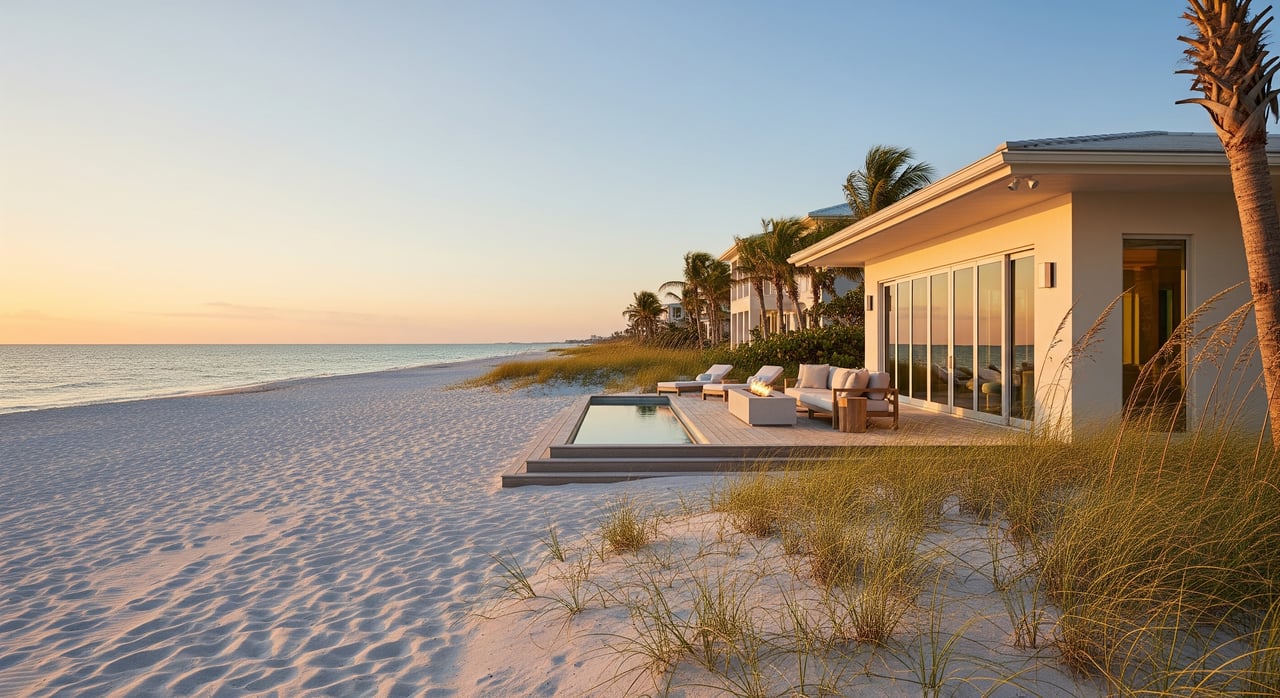
Gulf‑front homes command the highest premiums because of private beach frontage and uninterrupted views. At the ultra‑luxury level, frontage per linear foot and privacy can influence value more than interior square footage. In 2025, the “Serenissima” estate at 845 Longboat Club Road sold for $30.3 million, with about 145 feet of private Gulf frontage, a clear reminder of how frontage and setting drive top‑end pricing (Longboat Key News coverage). These benchmark sales set ceilings for the market but do not define typical price bands.
Bay and open‑water frontage
Bayfront and protected‑harbor properties attract buyers who value boating access. Deep water at mean low tide, quick access to the Gulf, and shelter from open‑Gulf conditions add real value. Public reports show several 2025 bayfront sales in the high‑end range, including notable transactions highlighted in local wrap‑ups (Your Observer market review). When you price a bayfront home, compare it only to other deep‑water bay or harbor properties with similar depth, frontage, and exposure.
Canal properties
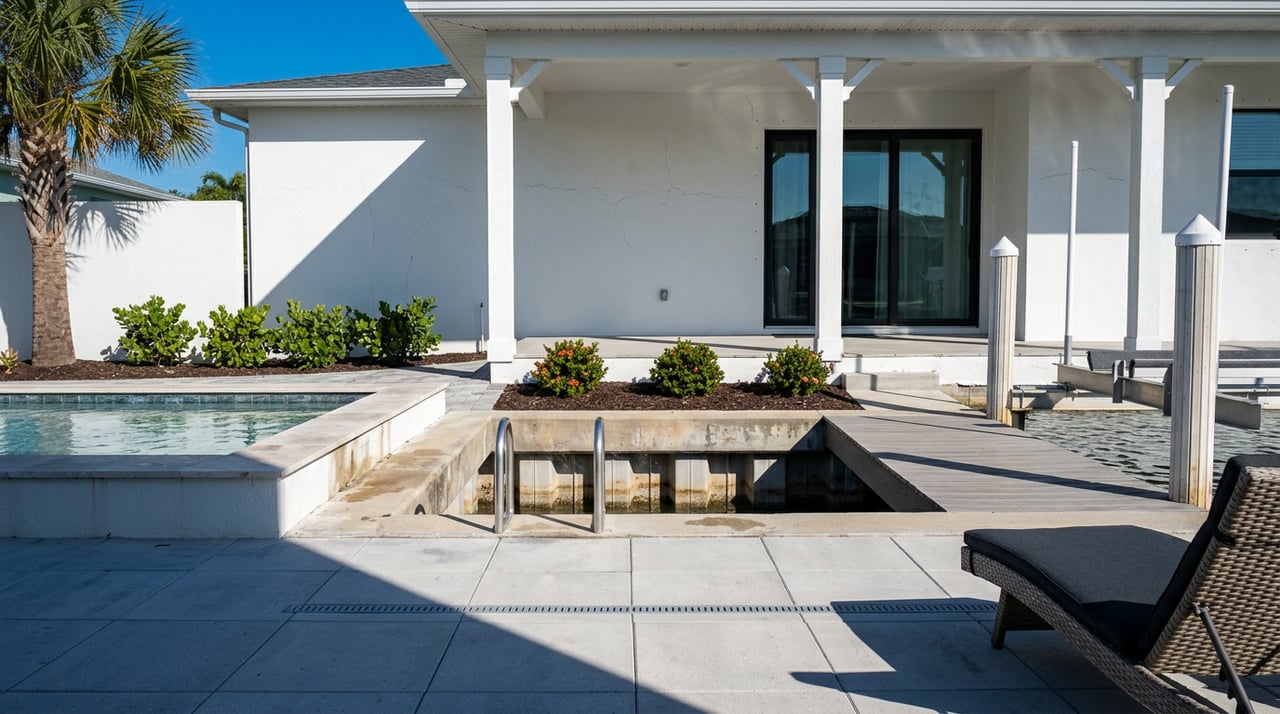
Canal lots often trade below direct Gulf or wide‑open bay properties, but the right canal can be very competitive if it offers deep draft, minimal bridges, and a reasonable run to the Gulf. Value here hinges on water depth, dock length, lift capacity, and travel time to the pass. Confirm dredging history and any HOA or municipal maintenance obligations so you can present clear information to buyers.
Boating features that change value
For boaters, the dock is as important as the kitchen. Document and price for these details:
- Slip rights: deeded private dock, assigned HOA slip, or marina lease.
- Size and capacity: length overall, beam clearance, and lift rating.
- Depth and access: mean low‑tide depth at the dock, bridge clearance, and route to the Gulf.
- Permits and restrictions: dredge easements, submerged‑land leases, or HOA rules.
Buyers and appraisers value a deeded, deep‑water dock with an insured lift more than an assigned slip. When you quantify these features line by line, you justify your price and reduce appraisal risk.
Seawall, shoreline, and condition
A tired or failing seawall is one of the fastest ways to lose leverage in negotiations. Replacement costs vary widely based on material and access, but Florida planning ranges commonly run about $350 to $1,200 or more per linear foot for full replacement, including permitting (seawall cost guidance). If your wall shows distress, secure a recent marine inspection and a contractor bid. Buyers will either ask for credits or discount their offers to cover the risk, so it is better to control the narrative with documentation.
Flood zones, elevation, and insurance
Confirm your FEMA flood zone and Base Flood Elevation, and gather any elevation certificate on file. Manatee County’s portal helps you look up flood zones and understand local guidance (Manatee County flood zone lookup). For official technical references, you can also review the county’s FEMA Flood Insurance Study (FEMA FIS).
Insurance matters more today. Florida statutes require insurers to publish wind‑mitigation discounts, and features like newer roofs, impact windows, and proper roof‑to‑wall connections can lower premiums (Florida Chapter 627). The state’s My Safe Florida Home program can provide inspections and grants that both reduce premiums and give buyers confidence (My Safe Florida Home). When you share elevation data and mitigation evidence up front, you make it easier for buyers and lenders to say yes.
Renovations that usually help ROI
If you plan to do pre‑listing work, focus on projects that typically return the most. Regional Cost vs. Value studies show that exterior upgrades and focused kitchen or bath refreshes often produce better payback than full luxury remodels (2025 Cost vs. Value). For waterfront homes, hurricane‑hardening improvements can be especially persuasive because they connect to lower insurance costs and peace of mind.
Build a data‑driven price in 7 steps
Use a clear process so your list price is defensible and aligned with your goals.
Define your objectives. Target net proceeds, timeline, privacy, and whether you want to encourage multiple offers.
Gather the evidence. Pull closed sales from the past 3 to 12 months that match your waterfront type and frontage. Add active and pending listings to see the current competition.
Classify by submarket. Do not mix Gulf‑front comps with bay or canal comps. If direct peers are limited, build a hybrid model that adds shoreline and dock adjustments to a baseline price per square foot.
Quantify major adjustments. Treat docks, lifts, and deep‑water access as discrete value adds. Subtract estimated costs for near‑term seawall or dock work using contractor bids.
Include ownership costs in buyer math. Insurance, flood premiums, and known shoreline work affect what a buyer will pay. Quantify those differences and prepare to explain them.
Set a price band. Establish a floor, a target, and an aspirational price, tied to expected days on market. Decide pre‑set review points at 30, 60, and 90 days based on showings and feedback.
Complete pre‑listing due diligence. Order seawall and dock inspections, confirm elevation, pull permits and receipts for renovations, and assemble HOA or marina documents. Clean documentation speeds appraisals and builds trust.
Real Longboat Key comps to frame value
Use public, recent sales to understand direction and ceilings, then add MLS‑level peers for a full CMA.
- 845 Longboat Club Rd, Gulf‑front estate, sold for $30.3M in July 2025, roughly 145 feet of private beach frontage. This is a market ceiling and a validation of linear‑foot valuation at the top end (Longboat Key News).
- Multiple 2025 high‑end sales highlighted by local press, including significant bayfront and non‑beachfront estates in the $7M to $8.5M range. These illustrate how deep water and luxury amenities price below direct Gulf frontage but still in premium tiers (Your Observer recap).
- Mid‑range Gulf‑front single‑family and smaller Gulf parcels traded well below record highs, reinforcing that frontage, privacy, and house scale create wide variation. Treat these as reference points and then tighten the comp set to your immediate sub‑neighborhood.
The takeaway is simple. Classify by waterfront type first, then match frontage, depth, and dock function. Only after that should you fine‑tune for square footage, finish level, and recent renovations.
Pre‑listing checklist to protect price
Do these before you hit the market. They reduce surprises and shorten negotiation cycles.
- Seawall and dock reports: Order a recent marine inspection and a contractor bid. Share cost ranges if repair is likely (cost guidance).
- Flood and elevation: Pull your flood zone and elevation certificate, and provide buyers with county and FEMA references (Manatee flood lookup).
- Insurance and mitigation: Get updated quotes and a wind‑mitigation inspection. Document impact windows, roof age, and roof‑to‑wall connections. Explore state inspection and grant options (My Safe Florida Home).
- Permits and records: Gather permits and approvals for prior renovations and shoreline work. The Town lists permit categories and fees for docks, seawalls, and lifts (Town permit fees).
- Marina or HOA docs: If applicable, assemble slip assignments, rules, and any dredging history so buyers and appraisers can verify.
Pick the right pricing strategy
Your strategy should reflect your timeline and the depth of your buyer pool.
- Aggressive pricing: List slightly below a defensible midpoint if you want a quicker sale and to invite competition. This can work in thin‑inventory niches where several buyers are active, but be mindful that waterfront appraisals can be conservative.
- Conservative pricing: If you have time and want to test the top of your range, list near the lower end of your CMA band and build momentum with premium marketing. Monitor showings and feedback and be ready to adjust.
- Private or off‑market: Consider a private campaign if privacy is key or your property is truly unique. High‑end local headlines show that private, cash outcomes happen, but they are the exception and require tight valuation and targeted outreach (Your Observer perspective).
Ready to price with confidence
A strong Longboat Key price is built on the right comp set, clean documentation of your shoreline and boating assets, and a clear strategy for the first 30 to 90 days on market. If you would like a tailored price band, an on‑site review of your dock and seawall paperwork, and a step‑by‑step launch plan, reach out. Our boutique, two‑partner team will deliver a data‑backed valuation and a plan that protects your outcome.
Have questions or want a free, no‑pressure valuation for your waterfront home on the Manatee side of Longboat Key? Connect with Renne' Rupp to get started.
FAQs
How long do Longboat Key waterfront homes take to sell today?
- Timelines vary by price band and waterfront type, but expect weeks to a few months in a balanced market, with peak activity in the winter and early spring season.
What documents should I provide for my dock and seawall?
- Provide a recent marine inspection, any repair or replacement bids, slip or deed documents, lift specs, depth at mean low tide, and any dredging or HOA history.
How do flood zones and elevation affect price and lending?
- Homes in coastal zones often require flood insurance and may have higher premiums, which some buyers factor into offers; share your elevation certificate and zone details upfront to reduce friction.
How is Gulf frontage valued compared to bay or canal?
- Gulf‑front typically carries the top premium due to private beach access and views, while deep‑water bay and well‑located canals price in separate bands based on depth, access, and dock utility.
Should I repair a failing seawall before listing or offer a credit?
- Get a marine inspection and bids first; if work is urgent, a pre‑listing repair or a transparent credit at closing can preserve buyer confidence and appraisal support.
When is an off‑market sale a good idea for a waterfront property?
- Consider it when privacy is essential or the buyer pool is very narrow; pair it with a defensible valuation and a targeted outreach plan to qualified prospects.